
Biological Resources
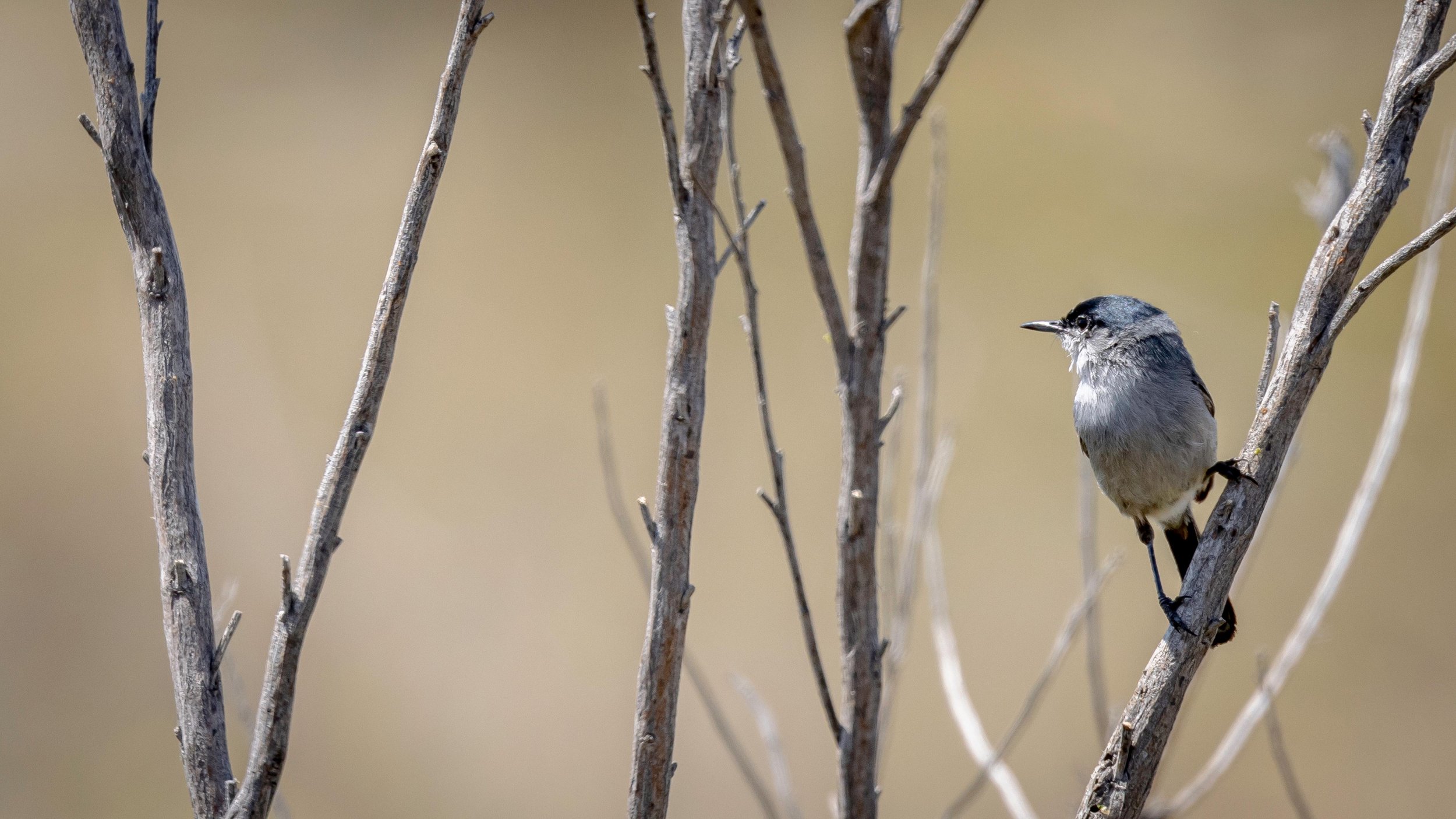
Our biologists have the certificates and permits to conduct surveys and prepare conservation plans for federal and state-regulated species (e.g., gnatcatcher, bats, arroyo toad, desert tortoise, western pond turtle, kangaroo rat, least Bell's vireo, giant garter snake, central valley steelhead). Our biologists have extensive knowledge of the habitat requirements, behavior, and conservation status of various species and use this knowledge to develop effective conservation plans designed to ensure these species' long-term survival.


-
CEQA and NEPA Compliance Biological Resources Assessments
CDFW Streambed Alteration Agreement Coordination
RWQCB and USACE Permit Coordination
Section 10(a) Habitat Conservation Plans
Section 7 Consultations
Biological Constraints Analysis
-
Natural Resource Protection Plans
Invasive Species Control Plan
Environmental awareness programs (Tailgate training, BRIP, WEAP)
Environmental Inspection and Reporting
-
Pre-construction Species Surveys
Nesting Bird Surveys
Presence/Absence Surveys
Pit-trapping, cover board surveys, and visual surveys
Rare Plant Surveys
Wetland Assessments
Special Status Species Permits
Blunt-nosed Leopard Lizard, Burrowing owl, Bumblebee Special Status Species, Bat Special Status Species, California Least Tern, California Newt, California Red-Legged Frog, California Tiger Salamander, Clearlake Hitch, Coastal Giant Salamander, Coast Horned Lizard, Coho and Chinook Salmon, Desert Tortoise, Foothill Yellow-Legged Frog, Giant Garter Snake, Kangaroo Rat Special Status Species, Light-Footed Ridgway's Rail, Mojave Ground Squirrel, Northern Red-Legged Frog, Northern Spotted Owl, Peregrine Falcons, Red-Bellied Newt, Rough-Skinned Newt, San Joaquin Kit Fox, Sierra Newt, Snowy Plover, Southern Long-Ted Salamander, Special Status Plant Species, Steelhead, Swainson's Hawk, Vernal Pool Branchiopods, Western Pond Turtles, etc.
Recent Projects
SR 91/71 Interchange Improvement Project
(SKANSKA)
Developed the Natural Resource Protection Plan (NRPP) to ensure compliance and protect sensitive species like the coastal California gnatcatcher and least Bell’s vireo. A Bat Avoidance and Monitoring Protection Plan (BAMPP) was created to minimize impacts on bats during construction.
Floradale Avenue Bridge Replacement Project
(MCM Construction)
Prepared a Biological Resource Information Program, pre-construction surveys for regulated species, daily monitoring, fish relocation, and annual reporting. Regulated species included the California Red-Legged Frog, Coast horned lizard, Two-striped garter snake, and several bat species, among others. Endemic ensured Best Management Practices (BMPs) were followed to minimize impacts on biological resources in the project area.
Chiles-Pope Valley Road Bridge Replacement
(Napa County, Gordon N Ball)
Surveyed for the California red-legged frog (FYLF) and other protected species, along with daily monitoring. Additionally, it involved relocating FYLF and tracking egg masses during creek diversion work.
I-10 Rock Slope Replacement Project near Desert Center, CA
(AMES Construction)
Performed biological monitoring, natural resource protection plans, stormwater/ water quality inspections, and paleontological investigations during construction. The regulated species within and nearby included California Red-Legged Frog, Southwestern Pond Turtle, Coast (Blainville) Horned Lizard, Southern Willow Flycatcher, Two-Striped Garter Snake, Southern California Coast Steelhead, Least Bell’s Vireo, Western Yellow-Billed Cuckoo, Yellow-Breasted Chat, Yellow Warbler, Hoary Bat, Silver-Haired Bat, Yuma Myotis, as well as other nesting birds including raptors.
Caltrans District 9 State Route Rehabilitation Project
(Caltrans D9, State Route 14 (SR-14))
Established a Natural Resource Protection Plan (NRPP) to identify and outline species protection measures with an implementation plan. A Biological Resource Information Program (BRIP) was also prepared to educate personnel about regulated species and habitats, related laws and regulations, and species protection measures and protocols.
SLO - Lopez Drive Seismic Retrofit
(Shimmick Construction)
Biological compliance on a seismic retrofit project over Lopez Lake for the County of San Luis Obispo in Arroyo Grande, CA on Lopez Drive. Endemic’s scope consisted of pre-construction surveys for regulated species, daily biological monitoring and reporting, nest removal, creating, implementing and maintaining the Bird and Bat Exclusion Plan, and annual and final monitor reporting.